Showing posts with label food. Show all posts

Wednesday, April 19, 2017

Jamie's Diet

You guys. I'm trying Whole 30.

You guys.

Why am I trying Whole 30? Is it because it's a trendy thing that's popular on Pinterest right now? Because I'm a very trendy person. I'm hip to all the latest things.
I'm doing Whole 30 because I haven't felt entirely well for the past few months. I haven't felt bad, or sick. But I haven't felt my best, either. I've had too many moments where I finish eating (or drinking) something and I feel . . . icky. I was much more in tune with how I felt and my body's response to food, exercise, and my environment a few years ago. Partly it's because I don't do as much (or any) yoga and meditation, so I'm less in tune with my body in general. But I've also gotten to a point where I pay less attention to what I eat (and probably too much attention to how much of it I eat). And I drink too much. Whole 30 is my attempt to redirect some of those patterns.

What is Whole 30? If you haven't read or heard about it already, it's a pretty strict clean-eating regimen that lasts for only 30 days. It's also a registered trademark (except they spell it Whole30), so hopefully I don't get in trouble for this post. Like most trendy diets, it was "founded" by an attractive health/fitness professional (Certified Sports Nutritionist, probably also a registered trademark) who's good at self-promotion but whose qualifications seem to consist primarily of being certified, having written a book, and being a keynote speaker about some things.*

In general I'm skeptical about such eating plans (diets, that's what they are; let's call them diets). They are featured in the New York Times or whatever and everyone and their cousin does them for a few years, then they fade into obscurity. Remember South Beach Diet? Or Beach Body? Or Weight Watchers? Testimonials aside, there's little evidence that these diets do anything long-term, and they tend to rely heavily on pseudo-scientific concepts like "detoxification." In short, I think things like Whole 30‒ways of eating that have their own websites, apparel, and affiliate programs‒are silly.

So it's hilarious to me that I am trying it.

Silliness aside (or rather, my perception aside), it's not like these diets have nothing of value to contribute. They work for people, although maybe not the majority. Whole 30 focuses on eating moderate portions of real foods: meat, seafood, eggs, lots of veggies, some fruits, and lots of natural fats. During the 30 days, you eschew grains, legumes, dairy, all added sweeteners (no artificial sweeteners, no honey, no maple syrup), food additives and preservatives, junk foods, and (most importantly for me) alcohol. No cheat days allowed.

Except that I'm going to give myself the option to cheat on race days. In fact, I'm making a few modifications. I imagine (some people will say) this makes it not Whole 30 and I'm not truly committing to the plan and that makes me a weak-willed person. Whatever. This is my body and my lifestyle and I need to modify the plan so that it fits for me.

In addition to eating what I want on race days (only if I have the chance to go hang out with teammates and friends after the race), I will also continue to use Skratch hydration mix, which has added sugar, during races. I won't be using gels, though; instead, I'll be using dried dates and prunes for ride fuel. And I'll probably be eating a lot of potatoes and sweet potatoes over the next 30 days; without them, I don't think I'll take in enough carbohydrate to fuel my cycling training.

That's my plan. Whole 30 for the next 30 days, with a few modifications for the amount of exercise that I do. Training and racing will proceed as normal. I'll track the effects of the diet in my training log, including my reactions to foods as I get more sensitive to them. And I'll share my progress and results with you.

*I realize this is the pot calling the kettle black, since I make my living as a certified fitness professional of questionable qualifications. Headmistress Hartwig, I'm just joking. Please don't sue me.

Friday, April 7, 2017

Jamie's Training Food: Man Bars


I made these for last weekend's Jefferson Cup, and they were a big hit with the whole women's peloton! They're also easy to pack for long days in the saddle:

Adapted from South Your Mouth's Man Bars

Ingredients
2 cups rolled oats
1/2 bag of semi-sweet chocolate chips
1/2 cup chopped pecans (or nuts of your choice)
1 can (14 oz.) sweetened, condensed milk
1 tsp vanilla extract
1/4 tsp salt
About 1 cup powdered sugar (optional)

Directions
Dump. Mix. Line a square (I used an 8 inch) baking tin with parchment paper or foil. Use non-stick foil or grease it up really well; these are going to be sticky! Smooth batter evenly in tin. Bake at 350* for 30 minutes or so. Let the pan cool completely before doing anything else.

Two options here: Cut the sheet into bars, like granola bars; or cut into squares and toss in the powdered sugar. I tried both, and both are good. I liked the unsugared ones more myself, but everyone who tried them was a big fan of the powdered sugar version. I think the sugarless version is easier to eat while riding, though. After all, VWS team kit is mostly black!

Friday, March 24, 2017

Jamie's Diet Food: Sweet-potato chickpea patties with sriracha-yogurt sauce

Growing up, little hellion tomboy that I was, I did not expect that I would spend any time, let alone multiple hours a week, on a website* frequented by housewives and mommy bloggers. But I really like Pinterest. I spend a not-insignificant amount of time looking at pictures of color palettes, seasonal decorating ideas, cute pet pictures, and cilantro-lime-avocado-quinoa-whole 30-paleo-vegan-friendly-gluten-free-anti-inflammatory recipes. Seriously, all the recipes are like that. Somewhere, there is a random generator with all of those (search engine optimized) words that spits out ridiculous recipes.

There's a class of food and mommy bloggers out there (mostly on Pinterest) that have blogs that all look exactly the same: they're all on white backgrounds with an Instagram-worthy picture in the right-hand column and a cute, quippy "about me" section. They all have beautiful food photography that they've done themselves. They all write several paragraphs of backstory (which I scroll past) about the recipe that they're showcasing, interspersed with these well-lit, well-arranged, composed pictures of food. And almost all of these blogs are written in the exact same voice; I wonder if this is an SEO-approved way of writing, or if it's because they've all learned how to write from each other.

Good on them for having a blog and trying to make money off of it, but if you enjoy snarking at such creatures, you'll probably enjoy watching The Katering Show on YouTube. Hilarious.

I have no well-composed pictures of my dinner (and if you've made it this far, you're already through the backstory part), but I do have this recipe from The Kitchn that I tried a few weeks ago and really enjoyed. That link has a relatively short amount of backstory and only two well-composed food pictures; and it's from an online "magazine," rather than an individual's food blog. There is still an Instagram-worthy picture of the author, though.

Enough of that. Here's the recipe, adapted slightly from The Kitchn's version:

Ingredients
For the patties:
1 (15-ounce) can garbanzo beans, drained and rinsed
1 medium sweet potato (about 8 ounces)
1/2 medium yellow onion
1/4 cup breadcrumbs
1 egg, lightly beaten
2 cloves garlic, minced
2 tablespoons finely chopped fresh cilantro
1 teaspoon fine salt

For the yogurt sauce:
1/2 cup plain Greek yogurt
1 tablespoon Sriracha hot sauce

1/8 teaspoon fine salt

Instructions
Drain and rinse the garbanzo beans (did you know cicero is Latin for chickpea?). Do not use a potato masher to mash them; it will take forever. Instead, dump the beans into a food processor, along with the onion, grated sweet potato (you could probably just chop it in the food processor before adding the beans, because grating a sweet potato takes forever, too), breadcrumbs, egg, garlic, and cilantro. Pulse the food processor until you have a fairly uniform paste. The original recipe also calls for cumin and smoked paprika, which I forgot to add; the patties tasted fine without it, but I'm sure they would be even better if I'd remembered to season them.

I pan-fried these on a non-stick skillet with no oil to keep the calories down. Next time, I'll try baking them in the oven. These are very fragile, so go slowly and carefully or you'll end up with hash. Scoop out a quarter of a cup of the paste, pack it into a tight ball with your hands, then squish it down into a patty shape. Carefully lay it in a skillet on medium heat. The patty will change color as it cooks, from orange to a yellow the color of curry powder. Cook the patty until that color change has gone more than halfway up the side of the patty (should take 3-5 minutes) then CAREFULLY flip to cook the other side. The patty should be golden brown, not dark brown or black; if you get dark brown or black, turn the heat down on your skillet. This recipe made 9 patties for me.

The sauce is easy: mix everything together. We had these like falafel patties, with flatbread (homemade, thank you very much), sauteed cabbage, pickled onions, and the sauce on top.

* We got a computer, 26.8 k modem, and AOL when I was 8 or 9 (before that, we had a Commodore 64). The connection was so slow that the only sites we could consistently access were AOL message boards and fan sites. Do you know which ones I spent my time on? Star Trek and Babylon 5. I was a really cool kid.

Thursday, January 26, 2017

Jamie's Diet Food: Almond Flour Pancakes


I've made protein/paleo pancakes before (back in the years when I was eating mostly paleo). They didn't come out well. They were basically a scoop of protein powder and an egg. That's a protein powder omelette. They tasted of chocolate and chalk (chalk-a-late?), and they had the texture of used coffee filters with bits of coffee grounds mixed in.

So when I was craving pancakes after cycle class this morning (IHOP advertises on CNN, yo, and CNN is always on at the gym), I didn't go back to those bad, bad pancakes. Instead, I used the magic of Pinterest to look for a recipe that wouldn't suck. And I found one!

I made a few modifications, which are included below, but this recipe was adapted from one by The Roasted Root. They are surprisingly good. I wasn't expecting much, but these are tasty and have a pleasant texture.

Ingredients
1 3/4 cup of almond flour
2 tbsp flax seed meal
2 tbsp vanilla protein powder
1 tsp baking powder
1/4 tsp salt

3/4 cup milk
2 eggs
1 tsp vanilla

Instructions

  1. Combine dry ingredients in a bowl. Make sure to mix everything together well; it's especially important that the baking powder is evenly distributed. Whisk eggs and vanilla into milk. Pour wet mixture into dry mixture and stir until combined.
  2. Heat a pan or a griddle to medium-low. Use less heat than you think you need. These are better when they're not burnt.
  3. Pour about 1/4 cup of mix into the pan and gently tilt the pan to create a thin, even pancake. It takes 3-4 minutes on the first side. You should see brown, crispy edges peaking out from the sides, and there should be a few bubbles on the surface of the pancake.
  4. Flip the pancake over very gently. They're fragile. Cook for another minute or two on the other side, just until the bottom looks golden brown.
  5. Repeat until you've used all the batter.
Tips
  • The batter is pretty thick. I used a spoon to scrape out the inside of my 1/4 cup scoop. It doesn't pour well, and half of it will stick to whatever vessel you're using to transfer mix from bowl to pan.
  • I used a crepe pan that I have for some reason (who has a crepe pan?), which has a non-stick, non-Teflon coating. I used about 1/2 tsp of coconut oil to grease the pan, but it wasn't really necessary. These didn't stick to my pan, really, and the coconut oil that wasn't soaked up by the first pancake burned and smoked.
  • These are gluten free, so they don't have the protein structure to hold together as well. That makes them fragile. Use the biggest spatula/flipper that you have and turn them over slowly. I didn't have any break, but go carefully. Think of it more as flipping an omelette than flipping a pancake.
  • Cooking takes longer than regular pancakes. Prepare to do a lot of standing around. If you have a griddle and can do a whole batch at once, lucky you. If you're doing them one at a time, prepare to devote 40 minutes to the cooking process.
  • Try them with apple butter. Om nom nom.
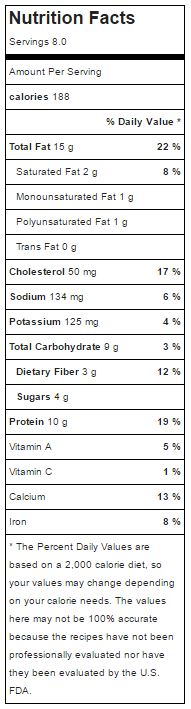
  • This recipe made 8 pancakes using 1/4 cup at a time. Nutrition info:

Thursday, November 3, 2016

Jamie's Diet Food: Turkey & Frank's Meatloaf

In my house, we put that sh*t on everything!

Ingredients
1 whole onion, finely diced
1 stalk celery, finely chopped
2 medium carrots, peeled and diced
1 jalapeno, seeded and finely chopped
2 tbsp olive oil
Salt & pepper
Cayenne pepper
Garlic powder

1 lb lean ground turkey (I used 93% lean)
1/2 cup bread crumbs
2 tbsp Worcestershire sauce
2 tbsp Frank's Red Hot sauce
1 egg
Salt & pepper

Saute veggies in olive oil until everything is tender and translucent. Season with salt and pepper, cayenne pepper, and garlic powder to taste. Put in a bowl and cool. Once the veggies are cool enough that they won't scramble an egg, mix the rest of the ingredients in the bowl with your hands. I did a free-form meatloaf, but you can also use a loaf pan. Whichever you choose, shape your loaf and toss it in the oven until a meat thermometer inserted in the thickest part reads 180* (165* is probably safe, but I cook it until 180*, just in case). It's okay to serve it hot.

I have a recipe for a Frank's-based glaze, but it just adds calories and the meatloaf is fine without it. I cut the meatloaf into 6 servings for 196 calories each. Enjoy!

Tuesday, July 26, 2016

Jamie's Diet Food: Broccoli Soup

Emily's doing this thing called the Dukan Diet, which (I think) is sort of like a low-fat version of Atkins. It focuses on lean proteins and low-sugar vegetables, with some allowances made for whole grains and fruits in the maintenance phase. Since I do most of the cooking, I'm showing my support by coming up with interesting things to eat within the bounds of the diet, so she doesn't get bored with the bodybuilder version of "riding paniagua": chicken and water, water and chicken. This is one of the things I came up with.
Tastes better than it looks.
Ingredients
1 bunch of broccoli crowns (about 1 lb)
4 cups of chicken or veggie broth (I used boiling water and chicken bouillon)
1 whole onion, sliced
1 teaspoon of cooking fat (I used bacon grease, but you could use any cooking oil)
Salt & pepper to taste
Spike all-natural gourmet seasoning (or other generic spice mix) to taste

Procedure
Slice onions. Heat oil in a medium saucepan over medium-low heat. Add onions to the oil. They should bubble and hiss softly; they shouldn't spatter or spray. Let the onions sweat in the oil, stirring regularly, until they're soft and translucent and a little brown. This can take up to 20 minutes, but the longer you let them sweat, the tastier the soup will be in the end.

While the onions brown, chop the broccoli into small pieces. I used a food processor to pulverize mine. They don't have to be really fine bits, because they're going to end up pureed anyway. But smaller pieces cook faster.

When the onions are where you want them, add 4 cups of broth (or water and chicken soup base) and the chopped broccoli. Cover the saucepan and let it come to a rolling boil. Add salt, pepper, and Spike seasoning (or whatever you're using). Turn the heat down to a simmer.

Use an immersion blender to blend the soup. If you don't like soup with texture, strain the soup through a fine mesh collander. Otherwise, your soup is ready.

Obviously, this soup would be even better with cream and cheese, but then it wouldn't count as Jamie's (and Emily's) Diet Food. Even without cream and cheese, the soup is pretty good. Not particularly filling, so I recommend it as a side dish, or with a nice salad.

Sunday, July 10, 2016

Jamie's Training Food: Spam Musubi

Training food Hawai'ian style
I am shocked--SHOCKED--that I did not mention that I survived Ironman training almost exclusively on S'mores Pop Tarts. I have scoured my old blog posts, and I can find no mention of the fact that I brought two boxes to Spain (wasn't sure I could find them over there) and ate a box and a half on the Ironman bike course. In case you're unfamiliar with the packaging, that adds up to twelve Pop Tarts over 112 miles. I've come a long way from my all-natural, all-raw diet of a few years ago; I figure life is too short to eat like a rabbit.

Philosophy aside, the Pop Tarts worked great. They pack a lot of sugar for their size. They're compact. You can fit six packages in your jersey pockets, if you need to. That's about 2400 calories! I usually put two in the right pocket and two in the left pocket, then re-stocked at special needs (or a 7-eleven on a training ride). The s'mores were my favorite flavor, followed by frosted blueberry. The s'mores flavor dry out your mouth more, FYI. Just in case you want to try.

I completely burned myself out on Pop Tarts, though. I've experimented with several whole foods this season, using Potent Portables as a starting point and branching out from there. I've found a few things that I've liked, but most of them don't work for racing. I use drink mix (Skratch Labs) and gels (currently GU, but I'm still experimenting) almost exclusively when I'm racing; everything else is too hard to eat in close quarters at speed and intensity. I want to try Medjool dates soon, on the recommendation of a few prominent vegan cyclists.

All of which is to say that I use spam musubi in training, pre-race, and post-race. It would probably work fine for triathlons, though, assuming your tummy can handle spam during a race. Be sure to try training with it before you race with it; anything else would be stupid! Don't be stupid!

This is something my Hawai'ian friends made all the time. It's a staple at convenience stores and picnics. Super delicious, compact, with lots of carbs and salt; it might pack too much fat for some of you, though. Try it out and see what you think! I can almost guarantee that nobody else will have these at your next ride or race.

Spam Musubi

Equipment:
  • Rice cooker
  • Rice paddle or spatula
  • Musubi press (seems silly, but they're not expensive, so get one anyway)

Ingredients:
  • White rice (Jasmine, Calrose, sushi rice, something fairly sticky)
  • Nori (cut the strips in half, so they're about the same width as your musubi press)
  • Spam (cut into slices about 1/2 inch thick)
  • Furikake (I bought mine on Amazon, but you'll find it at most Asian groceries)
  • Soy sauce 
  • Sugar
Procedure:
  • Cook rice in the rice cooker. It needs to be done before you start frying Spam.
  • Mix some sugar into some soy sauce. It'll take some experimentation to find the ratio that you like. Mine is different every time. The idea is to make a light syrup that will caramelize the sides of the spam. Another option is to season both sides of the Spam with Li Hing powder (a little-known ingredient that is worth having around for sprinkling on sliced apple, pear, jicama, pineapple . . .)
  • Spritz some cooking spray into a pan (or use a non-stick pan). Put the burner on medium-high. Lay out your strips of Spam so they aren't touching in the pan. Cook until the bottoms start to brown, then pour in your soy sauce/sugar mixture. Let the Spam cook until the bottom has caramelized, then flip. Let the Spam cook until that side is also caramelized. Take the Spam out of the pan and keep it on a plate so it doesn't burn. By the way, the sugar/soy sauce mixture will burn in the pan around the Spam. Don't freak out about it. Just turn on your range hood fan or open a window.
  • Lay a strip of nori down longways and put the musubi press on top of it. Spoon in a generous portion of rice. Use the handle to press the first layer of rice. Press it hard! You don't want your musubi crumbling apart in your hands! Sprinkle furikake over the rice. Lay in a slice of spam. More furikake, more rice. Press the whole thing together as hard as you can, then slide the press up and off the block of food. Wrap the nori around, overlapping the edges on the top. The nori will have steamed from the heat of the rice enough that it will stick to itself and seal naturally. You have now made your first spam musubi!
  • I wrap mine in plastic wrap and keep them in the fridge until I'm ready to use them. Then I cut them into quarters if I'm going to eat them on a training ride or halves if they're for pre- or post-race and wrap them in non-stick aluminum foil. 

Friday, May 20, 2016

Jamie's Diet Food: "Paleo" Granola


It's been much harder to keep my weight down this year, since I'm not doing nearly as much volume as last year. I also want to try to stay lighter this year, because that's what cyclists do. I've been more successful than I anticipated on hilly races at staying up with the climbers, but I think it will be that much easier if I weigh less.

As a result, I've been leaning back towards a paleo eating style. I don't really subscribe to the theoretical side of paleo (although I used to, and you can read some of it in my archives) . . . I know more about human physiology now, and the paleo/primal movement strikes me as one more movement that's more about the tribe than about the science. There are some good principles, but it seems mostly like a chance for people who need to feel special to tell everyone else how special they are. I feel the same way about vegans. Go ahead and start penning your hate mail, now. Diatribe over.

Anyway, I may not be part of the great primal evangelical movement anymore, but I still like a lot of the ideas behind it. Eat as many whole, natural foods as you can; focus on lean proteins, vegetables, and fruits; have some nuts and seeds, minimize grains; enjoy things in moderation; and remember that diet is only a part of a healthy lifestyle.

Since it's hard to do lots of endurance training when you eat lower quantities of carbohydrates, I've also been doing some nutrient timing. On Tuesday, when I had some hard Trainer Road intervals on the docket, I had some pasta with my lunch and a sandwich for dinner. On Wednesday, when all I scheduled was yoga and an endurance ride, I stayed away from the grains in favor of extra veggies and some fish. I eat some calorie-dense foods, but I cluster them around my hard workouts.

For breakfast, I've been having nuts, seeds, and fresh fruit on yogurt. Then I found this paleo granola recipe on Pinterest. I just finished making a small batch to make sure that I like it. And I mostly enjoy it. It feels a little heavy, probably from all the nuts and seeds. I don't like it as much as real granola. Maybe it needs more salt, or more vanilla. Here's my version, if you want to try it:

Jamie's Paleo Granola

2 cups almonds (chopped or slivered or whatever)
1 cup sunflower seeds
1/2 cup coconut
2 tbsp flax meal
2 tbsp almond meal
2 tbsp sesame seeds
1 tsp salt
1 tsp vanilla
1/2 tsp cinnamon
1/2 tsp ginger

3 tbsp coconut oil
4 tbsp honey

Preheat oven to 275*. Line a baking sheet with foil or parchment paper. Combine dry ingredients in a big bowl. Warm liquid ingredients in a saucepan on the stove (don't put honey in the microwave). Combine and toss. Spread mixture on baking sheet. Bake for 45-60 minutes, stirring every 15.

Friday, March 11, 2016

Jamie's Diet Food: Sweet Potato . . . Noodles?

What is this dish, anyway? Is it noodles? Is it like a noodle soup? Is it just sauteed, julienne vegetables? I'm not sure what to call it, but it's delicious.
I don't do pretty Instagram food pictures. Just trust me. It's tasty.
Ingredients
1-2 tbsp of your favorite fat (I used butter, but you can use some other kind of oil)
1 yellow onion, sliced
2 sweet potatoes, julienned (I use this to julienne my veggies)
2 cups chicken stock (or water with bullion, if you're lazy like me)
Salt and pepper to taste
Optional: 2 tbsp sliced jalapenos and 2 tbsp tandoori spice mix

Directions
1. Slice the onions. Julienne the sweet potatoes.
2. Heat your fat in a big pan (ideally, a pan that you can cover later) over medium heat.
3. Add your onions and let them caramelize. You can do as little as 10 minutes, but the longer you let them caramelize, the tastier they get.
4. If you're using the jalapenos, add them now. I used the kind that come in the jar, and used some of the juice to deglaze the pan.
5. Add the chicken stock. If you didn't deglaze the pan with the jalapeno juice, do it with the chicken stock. To deglaze the pan, use a spatula or spoon to scrape up anything that's browned and stuck to the bottom of the pan. Pouring the chicken stock in should loosen it up.
6. Simmer for a few minutes, stirring occasionally.
7. Add the sweet potatoes. Lower the heat to medium-low, keeping the stock at a strong simmer. Cover the pan and cook for about 5 minutes, until the sweet potatoes change color a little bit (they'll go from orange to yellow-ish). Stir a few times during the 5 minutes.
8. Uncover and add salt, pepper, and tandoori spice mix, if you're using it. You can also use garam masala, or any other spice mix you like. I really liked the Indian spice, but you could try it with something Greek or Mexican or whatever. It's your lunch. Or skip the spices entirely!
9. Cook, covered, for another 5 minutes or so, stirring regularly. Remove from heat.

I ate a big bowl of this with a generous scoop of plain, non-fat Greek yogurt on top. Very tasty, fairly healthy. Goes well with a side salad.

Sunday, February 7, 2016

Jamie's Diet Food: Chocolate Peanut Butter Oatmeal

Doesn't that look appetizing?
This is a tasty breakfast for days when I'm meeting my team for a long-ish ride (I have trouble calling 3 hours long, compared to my 8-hour rides last year). I do my short (60 minutes or less) morning rides fasted, and have breakfast after. That's usually zucchini frittatas, which I'll post next week.

I use quick-cooking steel-cut oats, which come par-boiled to save cooking time. Old-fashioned/rolled oats will cook quickly, but they will digest more quickly and cause a greater increase in your blood sugar. Same thing to a greater degree with quick-cooking rolled oats or instant oats. In summary, if they're quicker to cook, they'll be quicker to digest, and you'll run out of energy from them faster.

If you want to do true steel-cut oats, not the quick-cooking kind, I recommend making them in a crockpot the night before. Use a ratio of 4:1 liquid to oats, rather than 3:1. And you might want to grease the inside of your crockpot, or else you'll need a lot of elbow grease to clean off the dried-on oatmeal.

Chocolate Peanut Butter Oatmeal

Ingredients:
1/4 cup chocolate almond milk
1/2 cup water
1/4 cup quick-cooking steel-cut oats
1/8 tsp salt
1 tbsp all-natural peanut butter

Directions:
Combine the water and almond milk in a small saucepan. Add salt Heat over high heat until it just begins to boil. Add the oats, cover, and reduce heat to medium. Stir every minute or two for 5-6 minutes. Add peanut butter at the six minute mark. Cook for two more minutes, stirring every minute or so. Remove from heat and let the oatmeal sit for a minute before you eat. Add a banana if you need more calories.

Tuesday, February 2, 2016

Jamie's Diet Food

Cyclists are mostly skinnier than triathletes. Since I'm a cyclist now, instead of a triathlete, I need to get skinnier. Also, I put on about 8 lbs. after my Ironman. I need to lose those extra pounds, plus some.

There are a few tools I've been using to help. As a part-time housewife-type person, I'm responsible (or rather I take responsibility for) planning meals and grocery shopping. So I start with a simple spreadsheet, with meals for the week laid out for both Emily and me (since we eat different things for many meals). From there I go to EatThisMuch.com to help me generate meals for the week. It helps me plan within narrow parameters of calories and macronutrients for each day. With a premium membership, you can plan different meals for each day, but I tend to eat the same thing every day in spite of that. If I have leftovers or something specific I want to eat, I enter that, then generate other meals to fill in around it.

I buy all the ingredients I need for my weekly meals and do all the cooking on Saturdays and Sundays. It's much easier to stick to a restricted diet when it's easy, and with this set-up, I never have to make the choice to cook something healthy; I just eat the healthy stuff that's already in the fridge. I use MyFitnessPal to track my calories and exercise.

The diet has gone well so far. I've lost about 5 lbs. since I started monitoring in late December. My goal is to be down to my racing weight (I'm shooting for 130-132 lbs., which is the lightest I've been since middle school) by March, then stop trying to cut calories and focus on eating for performance. For the first time last year, I restricted my weight loss to base phase, and my training was better for it. I have enough fitness and training know-how to realize that your body's not great at splitting focus; if you're trying to lose weight, you don't gain as much fitness, and if you're trying to gain fitness, you shouldn't try to lose weight. But last year was the first time I actually put that into practice, and I noticed the difference in my fitness, especially late in the season.

I do notice that I'm cranky by the end of the week, and it's harder to motivate myself through hard workouts. My theory: I use so much willpower staying within my eating plan that, by the end of the week, I don't have the mental energy necessary to push through hard workouts. I eat more on the weekends (partly necessitated by long team rides that are, for me at least, pretty tough), which keeps the crankiness at bay. Mostly. But we still use the word "hangry" pretty liberally by Friday. Emily's dieting too; there's lots of hangry to go around by the weekend.

I'll post some of my favorite recipes that I find/come up with, in case you're a (relatively) fat triathlete trying to keep up with skinny cyclists, too.

Thursday, October 23, 2014

German Salisbury Steaks

I made this recipe up, loosely based on Salisbury Steak and German meatballs. It turned out to be delicious!

Ingredients
1 lb. ground beef (I used 85/15)
1/4 cup caper juice with a few capers
1/4 cup oatmeal (quick oats or regular)
1/2 onion, diced
1/2 green pepper, diced
1 egg, beaten
2 tbsp butter
1 tsp garlic powder
1 tsp thyme


Method
Salt and pepper to taste
Start with 1/4 cup of caper juice with a few capers (~12) in a big bowl. Add in the oatmeal, and toss to absorb the juice. Add 1 lb. ground beef, onion, and pepper, and mix with hands.

Mash the butter into the egg, along with some salt and pepper. Add the thyme, garlic powder, and salt and pepper on top, then mix again with your hands.

Divide the meat mixture into 4 equal parts, and form them into oval-shaped patties. Preheat a pan on medium-high heat. Add the patties. Allow them to cook 3-4 minutes on each side.

If you'd like to make a sauce, use wine or wine-based vinegar to deglaze the pan. I used white wine vinegar, cut with a little bit of water and a dash of worcestershire sauce, but I think red wine vinegar or cooking sherry would be even better. Scrape the pan to release all the browned bits. Add some sliced mushrooms, green bell peppers, and capers. Simmer until the sauce reduces by half. I added in some corn starch at the end to thicken it up. Finish the patties off by cooking them in the sauce, or pour it all over the top.

I served these with sliced, roasted sweet potatoes and sliced, baked zucchini. Delicious!

Wednesday, October 22, 2014

Eating for Success

My roommate and I have both felt a little . . . weighed down, so to speak. Before we moved to Virginia in May, we were both working low-wage jobs where high-calorie food was readily available. I ate a few too many hot dogs and taquitos, and she ate a few too many comped meals (not to mention cheesecake slices). We'd been making much healthier decisions since moving, but we were maintaining weight when we really needed to lose some.

We'd been kicking around the idea of trying a stricter eating routine for a short duration, like six weeks. We decided to take the two months until Thanksgiving to lose as much weight as we can. Primarily, we agreed to swap out a starch at dinner (I normally cook a tried-and-true combo of protein, starch, and vegetable) for a second vegetable, and choose leaner meats. We minimized processed grain options (including breads, crackers, and other flour-based foods), and tried to cut out industrialized foods as much as possible (although Emily does still take Weight Watchers frozen meals to work for lunch, sometimes). We also allow ourselves one "splurge" day per week, every Saturday. Normally, Saturdays involve pizza delivery, diet soda, and beer. There may have been a trip to On the Border, as well.

So far, the plan has been very successful! In the past three weeks, I lost three pounds and Emily lost seven. This past week has represented a departure from the plan, however; I think we're both getting a little burned out. PMS may also play a role. We've decided to have a recovery week every fourth week. We don't eat whatever we want, by any means, but we have eaten more, and we bought a loaf of bread the other night. We'll see if this week undoes what we've accomplished in the past month of hard work.

The biggest challenge for me is in balancing my calorie expenditure with my calorie intake. Especially during the first two weeks, I'd eat about the same number of calories on really heavy workout days (i.e. teaching cycling, lifting weights, and a hilly run) as on easy days (i.e. just teaching yoga). I felt weak and tired and unmotivated for a few days, until I remembered that I have to cut caloric intake in relation to my exercise level. Since then, I've felt fine.

Monday, May 20, 2013

Eating From the Field: Benefits of Pasture-Raised Chicken


So in addition to swimming, biking, and running (and refereeing rugby), I also farm. I still teach yoga and train individuals for health, fitness, and weight loss, but the farming is the main thing. It's my new career. I enjoy it; moving to a farm was a healthy choice for me (and much better than the alternative of running away with a circus).

Our main product here on Prairie Om Farm is pastured chicken, although I also raise grass-fed lamb and am getting some pigs for pastured pork this summer. If you're a health-conscious eater, you've probably already read many reasons why pastured meat products are better for you. But if you haven't been exposed to this information yet, I'll try to provide a little information on the subject.

First off, "pastured poultry" is different from organic, free range, or cage free. 
  • Organic chickens are raised on organic feed (the grains and supplements that make up their feed have been grown organically without pesticides, irradiation, sewage sludge, synthetic fertilizers, or genetically-modified organisms/GMOs), are never given hormones or antibiotics, and are provided access to the outdoors. Organic chickens are good. But, although they have access to the outdoors, they may not ever venture outside; they still eat a grain-based ration almost exclusively; and they can still be housed in over-crowded intensive production facilities.
  • Free-range chickens are chickens who are raised with access to the outdoors. Again, this doesn't necessarily mean that the chickens go outside; it means only that they could if they wanted to. Free-range chickens are still raised in houses, and their outdoor access is usually limited to a small yard. Because of the nature of chicken poop, even if their ranging yard begins as verdant pasture, it soon turns into a hard clay surface. Free-range chickens still derive all of their nutrition from a grain-based ration; they can still be housed in over-crowded facilities; and you don't have the guarantee that they've been fed organic or non-GMO feed, or are antibiotic and growth-hormone free. Still better than Tyson chickens, though.
  • Cage-free eggs are produced by hens who are not confined to cages. That means they can engage in many natural chicken behaviors. Again, it's better than your standard grocery store eggs. But cage-free chickens aren't necessarily given access to the outdoors; they're still usually overcrowded in large production facilities; de-beaking is allowed (that's where producers cut off the beaks to prevent chickens from cannibalizing each other due to over-crowding and stress); and there's no third-party auditing system to ascertain how the animals are being treated.
Pastured poultry producers are usually small farmers raising relatively small numbers of birds (20,000 is the upper limit for exemption from USDA on-farm inspection); our farm raises less than 1,000 per year. Chickens who are raised on pasture have constant access to fresh grass. Joel Salatin of Polyface Farm, one of the the big kahunas of pastured poultry, moves his "chicken tractors" daily; we move ours as often as we need to keep them on fresh, poop-free grass (by the end of the production cycle, 2-3 times per day). In addition to eating a grain-based ration, pastured chickens eat grass, bugs, worms, snakes, frogs, and whatever else they can get their hands on. Because they're not overcrowded, they're not overstressed. And because they're not wallowing in their own feces, we end up with a much cleaner end product. Pastured poultry is very good.

But don't get me wrong; there are potential downsides to pastured poultry. First off, there's no official labeling or oversight of the term "pastured," whereas the terms "organic" and "free-range" are regulated by the federal government (at least in America). As a result, there are no regulations on what kind of feed may be used; some producers I know use only certified organic, we use certified non-GMO, and still others use standard commodity rations. And there's always the possibility that your farmer might be cutting corners, that his or her feed might not be up to snuff, that he or she is not taking good care of the birds. However, the other side of the coin is that most producers are small scale enough that you can go and check them out for yourself. In other words, this liability is only a downside if you're unwilling to make the effort to know the person who's making your food.

That's one way in which eating pastured meats is more costly--you have to put more time and effort into obtaining it. One of the other costs, of course, can be measured in dollar signs. Pastured chicken is more expensive, but I can tell you exactly why. First, there's the grain. We feed non-GMO grain, and it's about twice the cost of conventional grain. That's because farmers can't grow as much corn per bushel using traditional production methods as they can using the technologically advanced, biologically engineered versions produced by Monsanto. That means a lower return on their time and effort, from their land, seed, and fuel, so they have to charge more money. Feed costs are by far the greatest factor in setting our prices. There's also the fact that we are smaller-scale producers, and we can't get grain or even the baby chicks for the same price as vertically-integrated, large-scale producers. The labor plays a part, too, especially once it comes time to process the birds. It takes a lot of experienced hands to butcher chickens in a way that we believe is ethical, respectful, and clean (we have a group of Amish women who help us out, and we pay them well for it). All the costs add up, and contribute to a more expensive final product.

Those are the costs of pastured poultry; let me break down some of the benefits for you:
  • Pastured chickens are cleaner. There's less poop on their feathers, less poop on their skin, less poop on their feet, less poop in their intestines. At standard, USDA-inspected facilities, the poop on skin, feathers, and feet comes off in the scalding water and chill tanks and gets re-absorbed into the chicken meat. Gross.
  • Pastured chickens have better taste and texture. They move around and get more exercise than confinement house chickens, so they have better muscle tone. That contributes to a more chicken-y flavor and firmer, meatier texture.
  • Pastured chickens have higher omega-3 fatty acid content, lower fat and saturated fat levels, and higher levels of essential vitamins and minerals (notably vitamins A and E).
  • Pastured chickens are never fed arsenic as an appetite stimulant or preventative antibiotic.
  • Pasturing chickens puts vital nutrients into the ground as all-natural fertilizer in small amounts that can be readily absorbed by the soil.
  • Purchasing pastured chicken helps your local agricultural community, and farmers like me!
If you live in Missouri and would like some pastured chicken, please contact me! You can reach me by e-mail (jamielynnmorton@gmail.com) or by phone (316.841.6593). I make regular deliveries to Kansas City, Liberty, Independence, Cameron, Kirksville, Columbia, and Jamesport (where I live). If you live on the Kansas side of Kansas City and don't feel like driving to the Missouri side to pick up chickens, I can hook you up with some farmers on the Kansas side. If you live near Wichita, Kansas, I can recommend a farmer down there, as well.

Remember, as athletes, food is our fuel. Better food equals better fuel, and better fuel means better performance!

Wednesday, February 25, 2009

Why I Hate the Girl Scouts


Let's ignore, for a moment, my bad experiences with the Girl Scouts. Let's pretend that my troop leader's daughter was not an overachieving twit who always sold like a thousand boxes of cookies. I'll set aside the fact that said troop leader liked to publicly compare our relative achievements. ("Oh, looks like Jamie only sold 199 boxes of cookies; not quite enough to get [whatever the hell prize 200 boxes of cookies entitled you to]. Too bad.") And we can totally forget the fact that my dad was into camping and we did way more fun/cool stuff (camping! shooting GUNS!) as a family than I ever did in stupid scouts.

Why I really hate Girl Scouts is that every February, when I'm feeling down and draggy and really, really ready for spring, those damn be-sashed young women come bearing the comfort food of all comfort foods.


Those bitches bring cookies.

And between my pig-out on Oscar night (cheese! crackers! cosmopolitans!) and the boxes and boxes of cookies at my house (I got six, my brother got six, my parents each got four), I am going to gain back the five pounds I've lost in the last four weeks.


I'm off to the 24-hour Walmart to buy a padlock for the frickin' freezer.

Friday, January 9, 2009

Recipe File: No, really


It's a good thing I made a smart-ass recipe last time, because I have no idea what I would name this post otherwise.

This meal came about after I grabbed a can of tuna, looked in the refrigerator, and found that the mayonnaise we have at my house has high fructose corn syrup in it. Seriously. Why the hell does mayonnaise need high fructose corn syrup? It's not supposed to be sweet!

Anyway, tuna salad was out. So I thought back to the last time I made fresh tuna (which was during March Madness last year), and came up with this little recipe inspired by the sesame/ginger glaze I made for that. This wasn't as good as fresh, pan-seared tuna, but it was still pretty tasty, especially after I wrapped it in lettuce.

1 can of tuna
about 1/4 cup of sweet onion, diced
4-5 radishes, sliced
1-2 tbsp teriyaki sauce (read the label; you might find high fructose corn syrup in it, as well)
salt, pepper, and ginger to taste
4-5 leaves of iceberg lettuce

Heat a (very) small amount of oil in a pan or wok. When the oil's hot enough to run quickly around the pan, throw in the onions, stirring constantly (you want them to caramelize, but not burn). As the onions start to turn brown, add the radishes. Cook just until the radishes start to turn translucent around the edges, then add the tuna. Splash in some teriyaki sauce, ginger, and salt and pepper. Taste, and add seasoning if you need it. You only need to cook it long enough to heat the tuna, and you don't want to overcook it and end up with mushy radishes. Spoon the tuna stuff onto lettuce leaves (iceberg works best for wrapping, in my opinion), and eat as lettuce wraps. Without the lettuce, it ends up a little dry, but as a wrap, it's just right. 

Let me know if you try it and come up with any variations (i.e. different spices). My next project (I think) is going to be a green tea protein shake. I'll let you know how that goes.

Wednesday, January 7, 2009

Recipe File: Ice Cream

Letting you in on a secret, guys; here's my top-secret recipe for my favorite post-workout snack.
Step 1: Buy ice cream.
Step 2: Gather the following ingredients: ice cream, bowl, dessert spoon, ice cream scoop (you may substitute a large spoon in a pinch).
Step 3: Using the ice cream scoop, combine ice cream and bowl. Add dessert spoon as garnish.
Note: This dish should be served immediately and consumed as slowly as possible in order to reap all the benefits of this very special recipe.

Tuesday, November 11, 2008

Mark's Daily Apple: 10 Steps to "Primalize" Your Pantry


Remember when I mentioned Mark's Primal Blueprint in the discussion about eating as "part of the world"? Well, what I failed to mention is that though I think his ideas are well-founded and certainly one of the best ways to eat, I don't follow them myself. Haven't fully wanted to commit to it.

Until now.

That's because Mark has broken down getting started in the Primal way to the very basics; consider it a Primal primer, a step-by-step for caveman eating. So if you've been looking for ways to become more a part of the world, go visit Mark for a quick-and-easy guide.

Note to the raw foodists: I longed for such a straightforward, simple guide to stocking my raw pantry during that phase of my life. Get on it, guys!

Thursday, November 6, 2008

A Part of the World: Eating


For the intro to this series, see here.

Living as a part of the world isn't easy. For one thing, it's not a one-off decision, a one-step process. It took millenia for our human cultures to stray this far from nature; it'll take more than a few months (and a few articles by yours truly) to get back.

A second significant barrier that stands in the way of living as part of the world presents itself when we start looking for how (exactly) we're supposed to do that. My topic for this initial article is eating as part of the world, and for an example of what I mean, read here, here, and here.

See? Everyone has their own idea of what the most natural diet is like. Raw foodists believe that we should eat everything raw, because our most primitive ancestors wouldn't have had the capability of cooking food. Mark's Primal Blueprint advocates eating plenty of meat, because "Grok" would have had to eat meat to fill out his diet through the bare winter months. And fruitarians . . . well, I have to confess that I think fruitarians are a little bit weird. The point is that every one of them claims that their collective lifestyle (because it becomes more than just eating, you know) is the most natural, which is why you should be following it with them!

So what's a neophyte Ishmaelite (Ishmaelist? Ishmaelian?) to do? How do you determine which style of eating is actually the most natural, the closest to the world, and therefore (we suppose) the most beneficial?

Um, I don't think you can.

What you have to do, I think, is determine first what manner of eating is going to make the most sense for you. I, for example, tried to eat raw. It was a mess. I am not going to be able to eat raw all day every day (at least at this point in my life). Nothing wrong with that. You can eat healthy and be healthy without being a raw foodist. Furthermore, there's no reason to assume that you have to agree with one of these pre-fabricated eating plans; you can figure out your own way as you go along.

That said, you need to follow your common sense and your conscience. Common sense should tell you that high fructose corn syrup is not good and natural, no matter what they say. Use your brain (and a little low-key research) to figure out which foods (and food additives, if you must) are naturally-occurring. From there, your conscience takes over. In your heart, do you believe that people really shouldn't be eating animals? Do you prefer only to eat foods that would have been available to your ancestors? Do you draw the line at corn on the cob? Corn meal? Corn syrup? These are questions that need to be addressed individually, according to what you know and what you believe.

In short, I can't tell you how you should eat. What I can do is give you a few broad guidelines as a starting point for eating as part of the world.
  1. Make your own food. You don't want nasty additives (unnecessary sweeteners, flavorings and colorings, preservatives) in your food. You don't want HFCS. You don't want MSG. The best way to ensure that those things are not in your food is to make your food yourself. Come on. This is your first step. Stop buying convenience foods. No more TV dinners. No more 100 calorie bags of snacks. No more spray cheese. No more canned pasta sauce. Do you really need those things? No. Make good, clean food for yourself!
  2. Grow your own food. If you can buy produce, good; if you can buy organic, even better. If you can grow your own, though, that's the best. And you can make it as easy or as extreme as you like. Maybe you keep a few potted herbs on your counter so you don't have to buy dried. Maybe you buy a bison every year, slaughter it, and freeze the meat (I really did know a family that did that). You have options here, you know.
  3. Store your own food. Connect the dots from the last two. You want all-natural applesauce. You happen to have some apples from a tree in your backyard. See where I'm going with this? Canning isn't that difficult!
Sacrifices will have to be made, but you can make them gradually. And you can pick and choose which ones to make. One of the advantages to the advances that we've made, culturally, is that we have consistent availability of a large variety of food. I can eat kiwi. My ancestors wouldn't have eaten kiwi. Grok probably wouldn't have eaten kiwi. But I get to eat kiwi. And you know what? I really like kiwi. So I'm gonna have kiwi, every now and then.

The point of all this "part of the world" stuff isn't to see how tough we can make it on ourselves; it's not an exercise in some survivalist mentality. The overarching purpose is to begin re-submitting ourselves to the laws of nature--those same laws which we've spent years conquering.

Because as long as we willingly choose not to follow the same rules as the rest of the world--exempting ourselves from drought, famine, natural disasters--we won't have a good reason for actively caring for the world. So keep the big picture in mind. What and how you eat is important, but it's about more than simply being healthy.

It's about being part of the world.

Beautiful stock photo by FantasyStock, not me!

Wednesday, October 22, 2008

Recipe File: Buffalo Chili


I love this chili. It's adapted from a recipe I found in Men's Health. The taste is fresh and lean, and benefits greatly from sour cream, parmesan cheese, or corn chips. And I'm sure that crackers would also be delicious (if predictable).

Ingredients

3 Tbsp olive oil
1 lb ground buffalo chuck (or any ground/chopped game you have around. My family usually has some elk in the freezer. Rabbit would be nice. Beef is acceptable, but be sure it's grass-fed and organic, or else the flavor won't be sufficiently strong.)
1 jalapeño, seeded and diced
1 Poblano pepper, seeded and diced
1 serrano chili, seeded and diced (leave the seeds in if you want an extra kick!)
1 yellow onion, diced
3 garlic cloves, minced
1 green bell pepper, diced
1 big can (28 oz) of diced tomatoes (watch out for unnatural gunk in the ingredients list, and buy organic if you can. Or, even better, use fresh ones!)
1 can (8 oz) tomato sauce (again, be sure to check the ingredients)
2 cups beef stock (good luck finding all natural. Make your own if it concerns you.)
3 Tbsp chopped cilantro (I used dried, and it turned out okay. But I'm sure fresh would have been much better)
1 Tbsp paprika
2 tsp crushed cumin seeds
1 cup cooked black beans
Salt and pepper to taste

Coat a heavy skillet with the oil and heat it on medium-high. Cook the buffalo until it's brown. Add the jalapeños, onion, garlic, and bell pepper. Cook over medium until the onions turn translucent. Add the tomato sauce, beef stock, tomatillos, cilantro, paprika, and cumin. Boil. Then simmer for 1½ hours. Add beans. Season with salt and pepper. Serves 6

These directions are the basic version, for those of you who aren't fortunate enough to (have parents who) own a crockpot. If you are so blessed as to have one of these ingenious devices, brown the meat in oil. When it's mostly cooked, add the peppers, garlic, and onion. After the onions turn translucent, dump all remaining ingredients with the meat mixture into the crockpot. Cover, turn on, go to work, and come home to the delicious smells of chili in your home. Particularly satisfying if it's cold outside.